The Moment Everything Changed
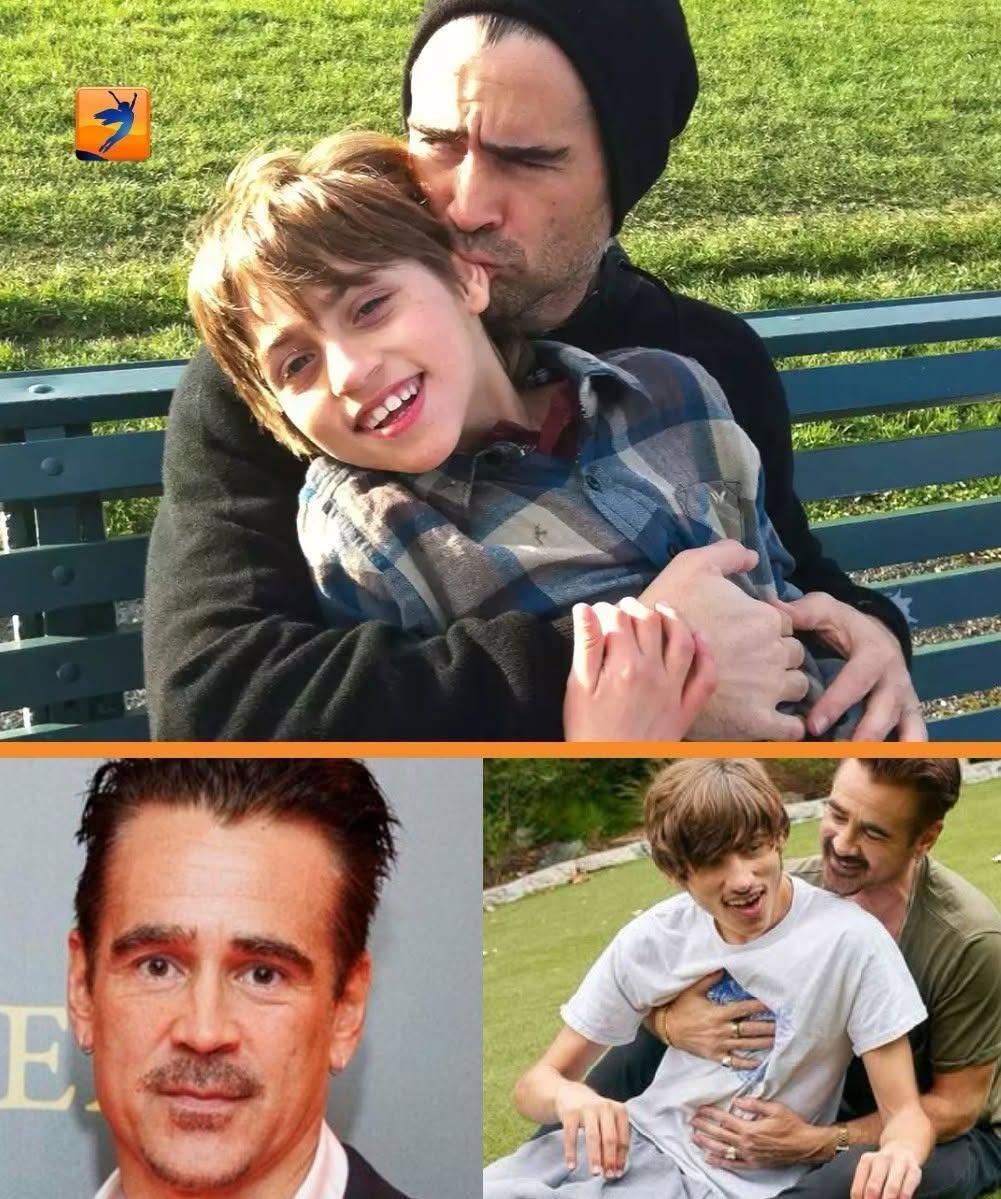
When Colin Farrell became a father in 2003, he was already one of Hollywood’s most recognizable young stars. His career was moving quickly, his name was appearing on movie posters around the world, and his public image was often associated with intensity, unpredictability, and the restless energy of a young actor living at the center of celebrity culture. Then his son James was born, and Farrell entered a completely different world. From the beginning, there were signs that James was developing differently from other children. Eventually, doctors diagnosed him with Angelman syndrome, a rare genetic condition that affects the nervous system and can cause significant developmental challenges, limited speech, movement and balance difficulties, and other lifelong support needs. For Farrell, the diagnosis changed the meaning of time itself. The glamorous schedules of Hollywood suddenly seemed less important than appointments, therapies, routines, and the small victories that most people might never notice. Parenting James taught him to celebrate progress differently. A new movement, a new sound, or a new step could become an unforgettable event. Instead of measuring life through movie premieres, awards, or box-office numbers, Farrell began measuring it through moments that happened quietly at home. One of the most emotional milestones came when James eventually took his first independent steps at four years old. For a father accustomed to dramatic scenes and emotional performances, there was nothing theatrical about that moment. It was simply his son doing something that had required extraordinary effort. Farrell has spoken about how deeply that experience affected him, describing the overwhelming emotion of watching James reach a milestone that had once seemed uncertain. That experience would become part of a much larger transformation. Colin Farrell was not abandoning the world of acting, but his understanding of what mattered was changing. Fame could fill a theater, but it could not measure the importance of one small step taken by his child. James had quietly introduced his father to a different definition of success.
From Hollywood Chaos to Everyday Commitment
Before fatherhood reshaped his priorities, Farrell had developed a reputation for living intensely. His early career was accompanied by enormous attention, and his personal life frequently attracted as much interest as his films. But raising a child with significant developmental needs demanded something very different from the fast-paced rhythm of celebrity life. It required consistency. It required patience. Most importantly, it required showing up. Farrell gradually learned that love was not simply an emotion expressed during extraordinary moments. It was a daily commitment. Therapy appointments, medical conversations, educational planning, family routines, and countless ordinary moments became part of his life. None of those things generated headlines, but they mattered enormously. James’s condition meant that development could not always be measured according to the milestones expected of most children. Progress could be slower and less predictable, which made each achievement more meaningful. Farrell’s perspective on fatherhood also developed alongside his son’s growth. He came to understand that disability does not erase a person’s personality, individuality, or ability to experience connection and joy. It simply means that the world may need to communicate and accommodate differently. That realization would eventually influence Farrell’s public advocacy. His relationship with James became a reminder that families raising children with disabilities often face challenges that continue long after childhood. Society frequently focuses on early intervention and special education, but adulthood can bring an entirely different set of questions. What happens when school ends? What happens when childhood services disappear? Where do adults with intellectual disabilities find community, meaningful activities, employment opportunities, and long-term support? These questions became increasingly important to Farrell as James grew older. The actor who once seemed defined by Hollywood excess was now thinking about systems, accessibility, dignity, and the future. His transformation was not sudden. It happened through years of ordinary responsibility. Every appointment, every milestone, and every difficult day taught him that commitment is rarely glamorous. But it can be profoundly meaningful.
The Son Who Changed the Actor
As Farrell’s personal life evolved, audiences also began seeing a different dimension of him as an actor. His career had always contained serious performances, but over time he became increasingly associated with characters who were complicated, wounded, vulnerable, or searching for meaning. Films such as In Bruges, The Lobster, and The Banshees of Inisherin revealed an actor capable of communicating pain and tenderness beneath seemingly ordinary moments. It would be simplistic to say that his son’s condition directly caused every artistic decision he made. Actors draw from many experiences, and Farrell’s career has been shaped by numerous influences. But fatherhood clearly gave him another emotional perspective. He had become intimately familiar with patience, uncertainty, vulnerability, and the importance of small human connections. Those qualities can deepen an actor’s understanding of characters who are struggling to find their way through difficult circumstances. In In Bruges, Farrell portrayed a man wrestling with guilt and regret. In The Banshees of Inisherin, he played a character confronting loneliness, rejection, and the painful consequences of a relationship suddenly changing. These roles were far removed from the simplistic image of a young action star. They required emotional restraint and an understanding of how much can be communicated through silence, hesitation, and a facial expression. Farrell’s evolution as an actor happened alongside his evolution as a father. Again, there is no need to claim that one directly caused the other. But the connection is revealing. Life outside the camera can change the way an artist sees people. Caring for someone who experiences the world differently can encourage patience and empathy. Watching a child work toward milestones that others take for granted can change one’s understanding of effort. And realizing how vulnerable families can be when support systems disappear can turn private experience into public purpose. Farrell’s career continued to grow, but his definition of a meaningful life was becoming much larger than acting.


.jpg)


0 commentaires:
Enregistrer un commentaire