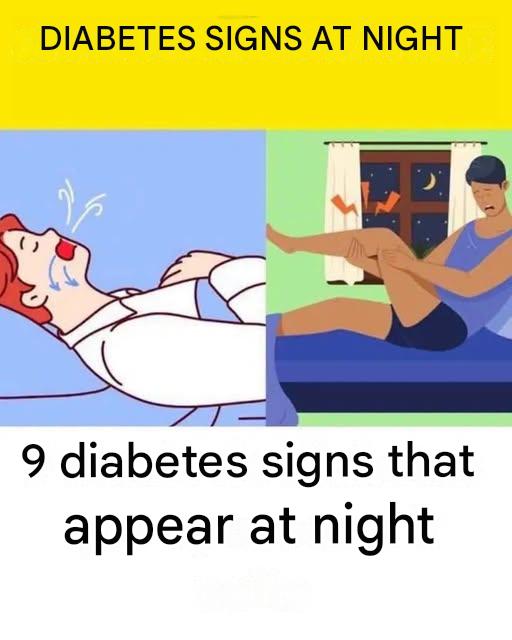
Some health problems are easier to notice during the day. Others can become surprisingly obvious once you go to bed.
Diabetes, for example, can sometimes produce symptoms that interfere with sleep or cause a person to wake repeatedly during the night. These signs can be easy to dismiss because they may look like ordinary sleep problems.
However, when several symptoms occur together or keep coming back, they deserve attention.
1. Waking Up Frequently to Urinate
One of the most noticeable nighttime symptoms can be frequent urination.
When blood glucose levels remain elevated, the kidneys may work harder to remove excess glucose from the body through urine. This can increase the need to use the bathroom, including during the night.
If you regularly wake up several times to urinate without an obvious explanation, it may be worth discussing with a healthcare professional.
2. Feeling Extremely Thirsty at Night
Frequent urination can contribute to fluid loss, which may leave a person unusually thirsty.
You might wake up with a dry mouth or feel the need to drink water repeatedly throughout the night.
Occasional thirst is normal, but persistent excessive thirst combined with frequent urination should not simply be ignored.
3. Night Sweats
Unexpected sweating during sleep can have many possible causes.
However, episodes of sweating can also occur when blood glucose becomes too low, particularly in people who use certain diabetes medications.
Repeated unexplained night sweats should therefore be evaluated rather than automatically attributed to diabetes.
4. Restless or Interrupted Sleep
Changes in blood glucose can affect how a person feels throughout the night.
Thirst, frequent urination, sweating, hunger, or other symptoms may repeatedly interrupt sleep.
As a result, someone may wake up several times and feel exhausted the following morning.
5. Feeling Hungry During the Night
Unusual nighttime hunger can sometimes accompany changes in blood glucose.
Some people may wake up feeling intensely hungry even after eating dinner.
There are many possible explanations for nighttime hunger, so this symptom alone does not mean someone has diabetes. But when it occurs alongside other warning signs, it is worth mentioning to a healthcare professional.
6. Tingling or Numbness in the Feet
Persistently elevated blood glucose can damage nerves over time.
One possible consequence is peripheral neuropathy, which may cause sensations such as tingling, burning, numbness, or pain in the feet and legs.
These sensations can become particularly noticeable when a person is lying still in bed.
7. Leg Cramps or Uncomfortable Sensations
Some people with diabetes experience discomfort in their legs or feet.
Cramping, burning, tingling, or unusual sensations can make it difficult to relax and fall asleep.
Again, these symptoms have many possible causes, so they should not automatically be interpreted as evidence of diabetes.
8. Blurred Vision
Changes in blood glucose can temporarily affect the shape of the eye’s lens and cause fluctuations in vision.
Someone may notice that their vision becomes blurry at certain times of the day or night.
Sudden or significant changes in vision deserve medical attention, particularly if they appear alongside other symptoms.
9. Waking Up Feeling Exhausted
Poor sleep can leave anyone tired the next morning.
But repeated nighttime urination, thirst, sweating, discomfort, or fluctuations in blood glucose can make restful sleep difficult.
If you consistently wake up exhausted despite getting enough time in bed, it may be useful to look beyond sleep habits and discuss the problem with a healthcare professional.
When Should You Get Checked?
Having one of these symptoms does not automatically mean you have diabetes.
Many of them can occur for completely different reasons.
However, persistent symptoms—especially excessive thirst, frequent urination, unexplained weight changes, unusual fatigue, blurred vision, or recurrent infections—are worth discussing with a healthcare professional.


.jpg)


0 commentaires:
Enregistrer un commentaire